
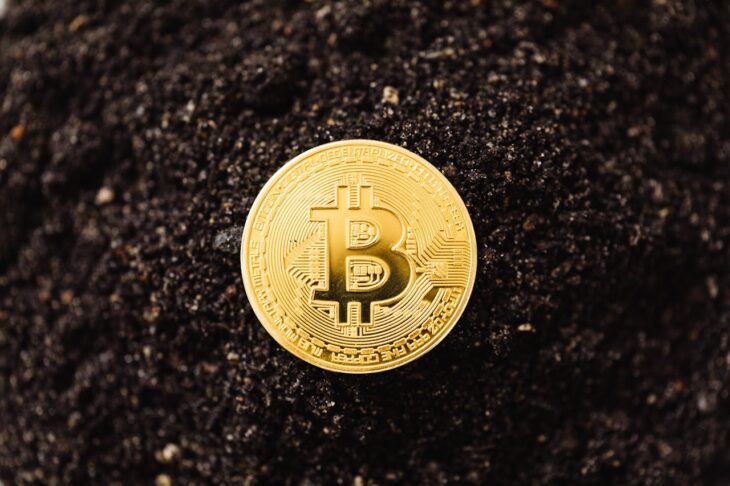
The History of Bitcoin: From White Paper to Global Phenomenon
In October 2008, at the height of the global financial crisis, an anonymous figure using the pseudonym Satoshi Nakamoto published a nine-page white paper titled “Bitcoin: A Peer-to-Peer Electronic Cash System.” This document would lay the foundation for what many consider the most significant innovation in money since the advent of coinage thousands of years ago.
The Genesis Block
On January 3, 2009, Nakamoto mined the first Bitcoin block, known as the Genesis Block or Block 0, which contained a message embedded in its code: “The Times 03/Jan/2009 Chancellor on brink of second bailout for banks.” This reference to a headline from The Times newspaper served both as a timestamp and a pointed commentary on the traditional financial system that Bitcoin sought to circumvent.
The timing was no coincidence. The 2008 financial crisis had exposed fundamental vulnerabilities in the global banking system, eroding public trust in financial institutions and central banks. Bitcoin emerged as a radical alternative—a decentralized digital currency that required no central authority, no banks, and no government backing.
The Early Days: Pizza and Pennies
For the first year of its existence, Bitcoin had virtually no economic value. It was primarily a curiosity among cryptographers and computer scientists who appreciated its elegant solution to the “double-spending problem”—the challenge of preventing digital currency from being copied and spent multiple times.
The first real-world Bitcoin transaction is now legendary: on May 22, 2010, programmer Laszlo Hanyecz paid 10,000 bitcoins for two Papa John’s pizzas. At the time, this seemed like a reasonable exchange. Today, those same bitcoins would be worth hundreds of millions of dollars, and “Bitcoin Pizza Day” is commemorated annually by cryptocurrency enthusiasts.
By late 2010, Bitcoin began appearing on early cryptocurrency exchanges, with prices hovering around five cents per coin. The market capitalization of all bitcoins in existence was less than one million dollars.
The Mystery of Satoshi
One of Bitcoin’s most enduring mysteries is the identity of its creator. Satoshi Nakamoto collaborated with early developers through 2010, but by December of that year, Nakamoto had disappeared from public communication entirely. The last known message from Nakamoto came in April 2011, stating they had “moved on to other things.”
Nakamoto is estimated to have mined approximately one million bitcoins in the early days, which have remained untouched—a fortune that would place them among the world’s wealthiest individuals. Numerous investigations have attempted to unmask Nakamoto, with suspects ranging from computer scientists to groups of developers, but the creator’s identity remains unknown.
Growing Pains and the Silk Road
Bitcoin’s association with illegal activity came early. In February 2011, the Silk Road—an online black market operating on the dark web—began accepting Bitcoin as payment for illicit goods. While this tarnished Bitcoin’s reputation, it also demonstrated the cryptocurrency’s utility for online transactions and brought it to wider public attention.
The Silk Road operated until October 2013, when the FBI shut it down and arrested its creator, Ross Ulbricht. The episode sparked debates about Bitcoin’s potential for facilitating crime, but it also proved that the cryptocurrency couldn’t be easily shut down by authorities—the Bitcoin network continued operating normally despite the high-profile enforcement action.
The First Boom and Bust
Bitcoin’s first major price rally occurred in 2013. Starting the year below $20, the price surged to over $260 by April before crashing back down. An even more dramatic rally followed in the fall, with Bitcoin reaching an all-time high of over $1,100 in November 2013. This attracted mainstream media attention and brought cryptocurrency into public consciousness.
The euphoria was short-lived. In February 2014, Mt. Gox, then the world’s largest Bitcoin exchange handling over 70% of all Bitcoin transactions, collapsed after losing approximately 850,000 bitcoins to hackers. The incident wiped out billions in value and sent Bitcoin into a prolonged bear market, with prices eventually falling below $200.
Maturation and Institutional Interest
The years following the Mt. Gox disaster saw Bitcoin gradually mature. More robust exchanges emerged, custody solutions improved, and the ecosystem expanded to include thousands of alternative cryptocurrencies. Bitcoin’s underlying blockchain technology attracted interest from major corporations and financial institutions, even among those skeptical of Bitcoin as currency.
In 2017, Bitcoin experienced another spectacular rally, reaching nearly $20,000 in December before crashing again. This boom-bust cycle brought cryptocurrency to unprecedented mainstream awareness but also reinforced its reputation for extreme volatility.
The Road to Legitimacy
The period from 2018 to 2020 saw quiet but significant progress. Major companies like Square and PayPal began integrating Bitcoin into their platforms. Regulatory frameworks started taking shape in various jurisdictions. In December 2017, Bitcoin futures began trading on major exchanges like the Chicago Mercantile Exchange, providing institutional investors with new ways to gain exposure to the cryptocurrency.
The COVID-19 pandemic and the massive government stimulus programs that followed triggered renewed interest in Bitcoin. Concerns about inflation and currency debasement led some investors to view Bitcoin as “digital gold”—a potential hedge against monetary expansion. Major companies, including MicroStrategy and Tesla, added Bitcoin to their corporate treasuries.
Legacy and Impact
By the end of 2024, Bitcoin had evolved from a cryptographic experiment into a global financial phenomenon with a market capitalization in the hundreds of billions of dollars. While its future remains debated, its impact is undeniable. Bitcoin introduced blockchain technology, inspired thousands of alternative cryptocurrencies, and challenged conventional thinking about money, banking, and financial sovereignty.
Whether Bitcoin ultimately succeeds as a currency, store of value, or something else entirely, it has already secured its place in financial history. It demonstrated that purely digital, decentralized money could exist and function, and it sparked a global conversation about the future of finance that continues to this day.
The story of Bitcoin is still being written, but its journey from obscure white paper to global phenomenon represents one of the most remarkable technological and financial stories of the 21st century.


 Bitcoin
  Ethereum
  Tether
  BNB
BNB  XRP
XRP  USDC
USDC  Solana
  TRON
TRON  Lido Staked Ether
  Figure Heloc