
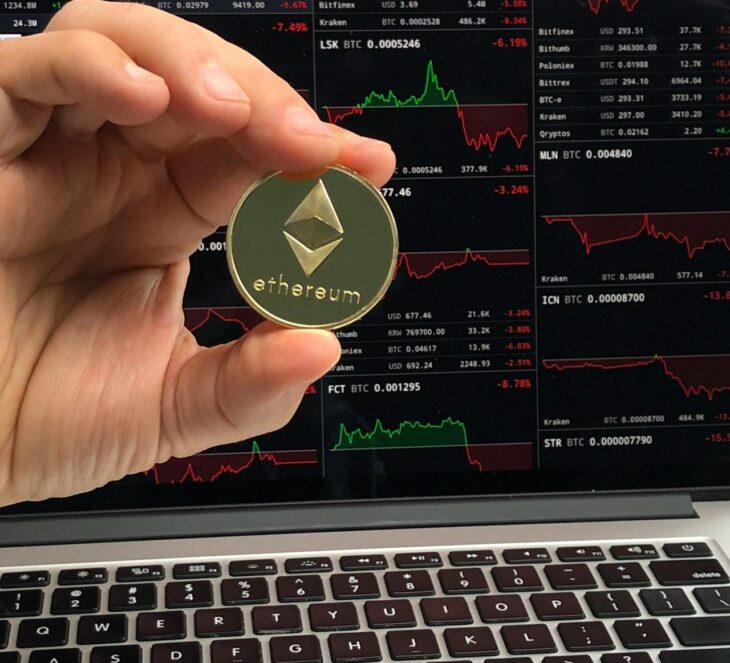
Ethereum’s All-Time Highs: The Journey from Launch to Multi-Thousand Dollar Valuations
While Bitcoin pioneered cryptocurrency as digital money, Ethereum revolutionized the space by introducing programmable blockchain technology. Since its launch in 2015, Ethereum has experienced a remarkable price journey punctuated by multiple all-time highs that reflect the platform’s evolution from a promising experiment to the foundation of decentralized finance, NFTs, and smart contract applications. Understanding these peaks reveals not just price movements, but the story of blockchain innovation itself.
The Genesis: Finding Initial Value (2015-2016)
Ethereum launched on July 30, 2015, following a successful crowdfunding campaign in 2014 where the initial coin offering (ICO) price was approximately $0.31. Created by Vitalik Buterin and a team of co-founders, Ethereum introduced the concept of a “world computer”—a decentralized platform that could run smart contracts and applications without downtime, censorship, or third-party interference.
The cryptocurrency began trading publicly around $2.92 in August 2015, but quickly fell to its historical low of approximately $0.45 in October 2015 as early adopters took profits and the technology remained largely unproven. By the end of 2015, Ethereum closed at around $0.93, representing modest gains but little indication of the explosion to come.
Throughout 2016, Ethereum gradually built momentum as developers began exploring its potential. The platform passed a $1 billion market capitalization in late May 2016, and the price climbed steadily. In June 2016, Ethereum reached its first significant all-time high around $21, driven by excitement surrounding The DAO (Decentralized Autonomous Organization), which had raised over $150 million worth of ether in what was then the largest crowdfunding campaign in history.
However, this peak was short-lived. The DAO was hacked days later, resulting in the theft of approximately $50 million worth of ether. The price crashed by more than 45%, and the subsequent controversial hard fork to return the stolen funds split the community, creating Ethereum Classic as a separate blockchain. Ethereum closed 2016 at approximately $8, having weathered its first major crisis.
The ICO Boom and First Major Cycle (2017-2018)
The year 2017 marked Ethereum’s breakthrough into mainstream consciousness. The cryptocurrency started the year around $8 and began a steady climb fueled by multiple catalysts. In March 2017, the Enterprise Ethereum Alliance formed with more than 30 corporations including Microsoft and JPMorgan, signaling institutional interest in the technology. Ethereum broke past its previous all-time high, reaching approximately $50 in March 2017.
But this was just the beginning. Ethereum became the platform of choice for Initial Coin Offerings (ICOs), with hundreds of new projects launching tokens on the Ethereum blockchain to raise funds. This ICO boom created massive demand for ether, as investors needed ETH to participate in these token sales. By May 2017, Ethereum had surged past $200, and by mid-June 2017, it hit a new all-time high around $400—representing a 5,000% gain year-to-date.
The rally continued throughout 2017, mirroring Bitcoin’s historic bull run. In early 2018, Ethereum reached its cycle peak of approximately $1,432 on January 13, 2018. At this price, the cryptocurrency had increased more than 17,000% in just one year, transforming from a niche technology platform into a household name. The ICO mania was at its height, with projects raising hundreds of millions of dollars, often with little more than a whitepaper.
The Bear Market and Recovery (2018-2020)
The 2018 bear market was brutal for Ethereum. As ICO projects failed to deliver on promises and regulatory scrutiny increased, the price plummeted. By December 2018, Ethereum had crashed more than 90% to around $85, wiping out most of its gains. Many declared the ICO era over and questioned Ethereum’s long-term viability.
Throughout 2019 and early 2020, Ethereum slowly rebuilt, trading mostly between $100 and $300. The platform continued developing, with the promise of Ethereum 2.0—a major upgrade to proof-of-stake consensus—keeping the community engaged. The onset of the COVID-19 pandemic in March 2020 temporarily sent crypto prices tumbling, but they quickly recovered as unprecedented monetary stimulus fueled interest in alternative assets.
DeFi Summer and the NFT Explosion (2020-2021)
The summer of 2020 marked the birth of “DeFi Summer,” when decentralized finance applications on Ethereum exploded in popularity. Projects like Uniswap, Aave, and Compound enabled users to lend, borrow, and trade without intermediaries, all on the Ethereum blockchain. This innovation drove genuine utility and network usage, pushing Ethereum’s price from around $200 in mid-2020 to over $600 by year’s end.
But 2021 would prove to be Ethereum’s most extraordinary year yet. Multiple all-time highs punctuated this remarkable rally. By February 2021, Ethereum surged past its 2018 peak to reach approximately $2,000, driven by institutional adoption and growing recognition of smart contract platform value. The European Investment Bank issued over $100 million in digital bonds on the Ethereum blockchain, signaling mainstream financial institution adoption.
In May 2021, Ethereum hit a new all-time high around $4,362, fueled by the NFT (non-fungible token) craze. Digital artists were selling artwork for millions of dollars, with platforms like OpenSea processing billions in transaction volume—nearly all of it on Ethereum. A digital art piece by Beeple sold for $69.3 million worth of ETH, generating massive headlines and bringing new attention to the platform.
After a summer correction, Ethereum made one final push. Important network upgrades continued, including the London Hard Fork in August 2021, which introduced EIP-1559—a mechanism that burned a portion of transaction fees, making ETH potentially deflationary. This upgrade was seen as a major economic improvement for the asset.
Ethereum reached its 2021 cycle peak of approximately $4,878 on November 10, 2021. At this price, Ethereum’s market capitalization approached $600 billion, solidifying its position as the second-largest cryptocurrency and the dominant smart contract platform. The platform was processing billions of dollars in daily transactions, hosting thousands of decentralized applications, and serving as the infrastructure for most of the crypto ecosystem’s innovation.
The Merge and Bear Market Resilience (2022-2024)
The 2022 bear market saw Ethereum decline alongside broader crypto markets. The collapse of Terra/Luna, the bankruptcy of major crypto lenders like Celsius and Voyager, and ultimately the spectacular failure of the FTX exchange sent crypto prices tumbling. Ethereum dropped below $1,000 by mid-2022, falling more than 75% from its peak.
However, Ethereum achieved a historic milestone during this bear market. On September 15, 2022, Ethereum successfully completed “The Merge,” transitioning from energy-intensive proof-of-work mining to proof-of-stake validation. This upgrade reduced Ethereum’s energy consumption by over 99% and fundamentally changed the network’s economics. It was one of the most complex technical upgrades ever attempted in crypto, executed flawlessly on a live blockchain securing hundreds of billions in value.
Throughout 2023 and early 2024, Ethereum consolidated between $1,200 and $2,100, showing relative strength compared to many alternative cryptocurrencies. The platform continued maturing, with layer-2 scaling solutions gaining traction and institutional interest growing. Corporate treasuries began accumulating Ethereum, following the playbook pioneered by Bitcoin treasury companies.
In March 2024, Ethereum briefly reclaimed the $4,000 level amid improving market conditions and growing optimism about regulatory clarity. The approval of spot Ethereum ETFs by the U.S. Securities and Exchange Commission in July 2024 marked another watershed moment, allowing institutional investors to gain exposure through traditional investment vehicles.
The New Record: Institutional Adoption Era (2025)
Despite starting strong, Ethereum spent much of early 2025 consolidating below its 2021 peak while Bitcoin surged to new heights. Many wondered if Ethereum would reclaim its previous record or if competition from newer blockchains would prevent new highs.
The answer came dramatically in August 2025. Following Federal Reserve Chairman Jerome Powell’s dovish comments at Jackson Hole—signaling potential interest rate cuts—Ethereum exploded higher. On August 22, 2025, Ethereum finally broke through its November 2021 all-time high, reaching approximately $4,880 and then continuing higher.
The rally was driven by multiple converging factors. Spot Ethereum ETFs saw record inflows exceeding $1 billion in a single day, with major asset managers like BlackRock accumulating substantial positions. Corporate treasury companies were aggressively buying, with firms like BitMine amassing over 1 million ETH worth billions of dollars—mirroring the corporate Bitcoin accumulation strategy pioneered by companies like Strategy.
More importantly, Ethereum’s fundamental position had strengthened dramatically since 2021. The passage of the GENIUS Act in June 2025 provided regulatory clarity for stablecoins in the United States, and since most stablecoins operate on Ethereum, this legislation directly benefited the platform. Ethereum was increasingly being positioned not just as a speculative asset but as the foundational infrastructure for tokenized assets, digital identity, and the next generation of financial services.
Ethereum continued climbing through late August 2025, ultimately reaching its current all-time high of approximately $4,953 on August 24, 2025. At this price, Ethereum had finally surpassed its 2021 peak by about $75, representing a new record after nearly four years. Unlike the 2021 peak driven largely by speculation and NFT mania, this rally reflected genuine institutional adoption, regulatory progress, and expanding real-world utility.
Patterns and Drivers
Ethereum’s all-time highs reveal interesting patterns distinct from Bitcoin’s. While Bitcoin’s peaks often align with its four-year halving cycles, Ethereum’s rallies have been driven by platform adoption milestones and technological innovation. The 2017 peak coincided with the ICO boom, the 2021 peak with DeFi and NFTs, and the 2025 peak with institutional ETF adoption and regulatory clarity.
Each cycle has seen Ethereum’s use cases mature. The platform evolved from a speculative technology in 2017 to the infrastructure powering decentralized finance, digital art markets, gaming, tokenized assets, and stablecoin systems. Transaction volumes, developer activity, and total value locked in applications have generally increased with each cycle, demonstrating growing fundamental strength.
Ethereum’s percentage gains have diminished with each cycle—a natural pattern as market capitalization grows—but the absolute dollar increases have been substantial. From $8 to $1,432 (17,800% gain) in 2017, from $200 to $4,878 (2,339% gain) in 2021, and from $1,400 to $4,953 (254% gain) by 2025, each cycle has established higher lows and brought Ethereum closer to mainstream financial system integration.
The Road Ahead
Ethereum’s journey from less than a dollar to nearly $5,000 represents more than just price appreciation—it documents the evolution of programmable blockchain technology from concept to critical infrastructure. The platform now processes billions of dollars in daily transaction volume, hosts the majority of DeFi activity, and serves as the foundation for thousands of applications serving millions of users.
Future all-time highs will likely depend on continued scaling improvements, expanding real-world adoption by traditional finance, regulatory developments, and Ethereum’s ability to maintain its position as the dominant smart contract platform amid competition from newer blockchains. Upcoming upgrades focused on scalability through sharding and layer-2 solutions could enable Ethereum to handle orders of magnitude more transactions while reducing costs.
What remains clear is that Ethereum’s price history reflects genuine technological and ecosystem development, not just speculation. Each all-time high has marked a new chapter in blockchain innovation, and if history is any guide, the story of Ethereum’s growth is far from finished.


 Bitcoin
  Ethereum
  Tether
  BNB
BNB  XRP
XRP  USDC
USDC  Solana
  TRON
TRON  Figure Heloc
  Zcash
Zcash